
Current Education Programs
Research shows that when people, especially youth, have direct experiences in
nature, they are more likely to develop lasting stewardship values.
Education is our strategy to create informed community members who understand the importance of protecting our natural resources and are empowered to take action.
All activities listed below can be adapted for K-12 students, with a few acceptions.
Matchstick Forest

Explore the history of fire in California and the basics of defensible space in this hands on activity.
Students will attempt to create adequate defensible space for their matchstick home and discuss fire behavior as fire spreads across their property.
Nature Journaling
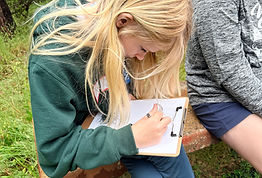
Slow down and smell the flowers with nature journaling.
Students are prompted to take a closer look at their surroundings, reflecting on what they notice, what they wonder, and what those things remind them of.
Macroinvertebrate Sampling

Macroinvertebrate sampling is a great way to learn about a streams water quality. Students will learn about different species of macroinvertebrates, their life stages, and how they can be used as environmental indicators.
Floodplain Model

Build a town along the banks of the Sacramento river... but be mindful of where you choose to build your home!
Students take a look at wetlands, the role they play during flood events, and how development can affect the floodplain.
Recycled Paper Making

Art meets climate action in this squishy activity.
Students learn about the process of recycling paper, what resources are used to during recycling, and how they can reduce and reuse in their daily lives.
Native Plant ID

This is a Paragraph. Click on "Edit Text" or double click on the text box to start editing the content and make sure to add any relevant details or information that you want to share with your visitors.
Pollinator Mimic

Step into the wings of a pollinator and see if you can score some nectar.
Students learn what pollination is, what animals pollinate, and how humans depend on pollinators for agriculture.
Cyanotype Printing
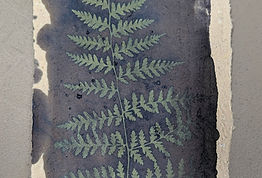
Invented in 1842, this camara-less photographic process harnesses the energy of the sun to create stunning botanical prints.
Students learn about the iron salt solution used, how the UV index effects prints, and how to create a negative image.
Career Presentations

This is a Paragraph. Click on "Edit Text" or double click on the text box to start editing the content and make sure to add any relevant details or information that you want to share with your visitors.
Interested in an Activity?
Like what you see? Get in touch to learn more.


